Navigating Grief, Loss, and Purpose Through Wildfire and Beyond
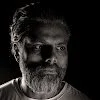
In a recent episode of EZ Conversations, I had the privilege of speaking with Thomas Wurm, a former wildland firefighter who spent 15 years battling blazes with the US Forest Service. Thomas shared his compelling journey of navigating the complex landscape of grief, loss, and personal transformation. His story reveals not only the intense demands of a firefighting career but also an inspiring path towards healing and spiritual awakening.
From Generation to Tradition
Thomas's journey into firefighting was deeply rooted in his family history. His grandfather and father both served with the US Forest Service, instilling a sense of purpose and tradition. Despite the hazards of the job, Thomas felt a compelling draw towards this line of work, citing a higher calling. However, the reality of bureaucratic challenges and tragic personal loss, including the death of a close friend, revealed the darker side of firefighting that many never hear about.
The Unseen Toll
The conversation delved into the organizational and bureaucratic struggles that often overshadow the noble efforts of firefighters. Thomas shared the heart-wrenching experience of losing his friend and how bureaucratic hurdles compounded the tragedy. These untold stories, including high suicide rates and heart attacks among firefighters, shed light on a harsh reality that demands more public awareness and institutional reform.
Healing Through Eastern Practices
Faced with burnout, PTSD, and health anxiety, Thomas turned to Eastern medicine—acupuncture, meditation, and Qigong—to find solace and healing. These practices became a pivotal part of his recovery, helping him reconnect with his body and mind through somatic work and mindfulness. His spiritual journey was marked by both daunting experiences, such as a kundalini awakening, and empowering realizations about his purpose.
Rediscovering Purpose Beyond Firefighting
Transitioning out of a firefighting career, Thomas found a new sense of mission in helping others heal through the mind-body connection. Hypnosis and Qigong became tools for transformation, enabling him to guide others on similar paths. These practices underscore a holistic approach, integrating mental, physical, and spiritual health.
Practices for Continued Growth
Now a teacher of Qigong, Thomas shared the rhythms of his daily practice, emphasizing somatic movement, breathwork, and mindfulness. He elaborated on the spiritual dimensions of Qigong, exploring concepts like the microcosmic orbit and the balance of elemental energies. These practices have not only supported his healing journey but also enriched his approach to helping others overcome trauma and find wholeness.
A Message for First Responders and High-Stress Professionals
Thomas offered words of advice for those in high-stress professions. He highlighted the importance of establishing rituals and safe spaces to recalibrate the nervous system, which can be overtaxed by the demands of first responder roles. His message encourages individuals to find anchors that restore balance and remind them of their intrinsic worth beyond their career identities.
Conclusion
Thomas Wurm's journey from the fireline to personal healing is a testament to resilience and transformation. His story serves as an inspiration to those navigating similar paths of grief and burnout. For more insights on trauma healing and spiritual work, you can visit his website, Mountain Mind Mastery, and explore his resources, including the book "Releasing the Core Wound."
Through sharing his experiences, Thomas offers hope and guidance, illuminating a path towards inner peace and purpose beyond the flames.
Learn More:
Related Blogs: